
In a world increasingly concerned about environmental sustainability, the way we live, eat, and consume is undergoing a profound transformation. The rise of sustainable living isn’t just a passing trend; it’s a movement towards a more eco-conscious lifestyle that benefits both people and the planet. From the products we buy to the habits we cultivate, here are some eco-friendly trends that are shaping the way we live in the 21st century.
Zero-Waste Living: Zero-waste living has gained momentum as individuals and businesses alike strive to reduce their environmental footprint. This trend involves minimizing waste by choosing reusable products, composting organic materials, and avoiding single-use plastics. From reusable shopping bags and stainless steel straws to cloth napkins and refillable containers, there are countless ways to embrace a zero-waste lifestyle.
Plant-Based Diet: The shift towards plant-based diets is not only driven by health concerns but also by environmental considerations. Plant-based diets require fewer resources, produce fewer greenhouse gas emissions, and have a lower environmental impact compared to diets high in animal products. As a result, more people are incorporating plant-based meals into their diet or adopting vegetarian or vegan lifestyles.
Ethical Fashion: The fashion industry is notorious for its environmental and social impacts, but ethical fashion is on the rise as consumers demand transparency and sustainability from clothing brands. Ethical fashion encompasses practices such as using sustainable materials, reducing waste in the production process, and ensuring fair labor practices throughout the supply chain. From eco-friendly fabrics like organic cotton and hemp to clothing swaps and second-hand shopping, there are many ways to support sustainable fashion.
Minimalism: Minimalism is more than just a design aesthetic; it’s a lifestyle choice that emphasizes simplicity, mindfulness, and conscious consumption. By embracing minimalism, individuals can reduce clutter, streamline their belongings, and focus on what truly brings them joy. This trend aligns with sustainability by encouraging people to buy less, waste less, and prioritize experiences over material possessions.
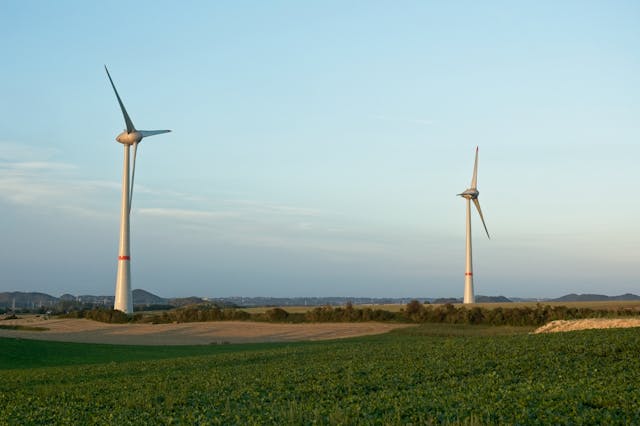
Green Technology: From energy-efficient appliances and solar panels to electric vehicles and smart home systems, green technology is revolutionizing the way we power our lives. By harnessing renewable energy sources and reducing energy consumption, green technology not only helps mitigate climate change but also saves money in the long run. As technology continues to advance, we can expect to see even more innovations that promote sustainability and environmental stewardship.
Urban Farming: With the rise of urbanization, urban farming has emerged as a solution to food insecurity, food deserts, and environmental degradation. From rooftop gardens and community gardens to aquaponics systems and vertical farms, urban farming takes many forms and provides fresh, locally grown produce to urban populations. By reconnecting city dwellers with the food they eat, urban farming promotes sustainability, resilience, and community engagement.
Reusable and Eco-Friendly Products: The popularity of reusable and eco-friendly products continues to soar as consumers seek alternatives to disposable items that contribute to waste and pollution. From reusable water bottles and coffee cups to biodegradable cleaning products and compostable packaging, there’s a growing market for products that minimize environmental impact. By making small changes in our everyday habits and choices, we can collectively reduce our ecological footprint and contribute to a more sustainable future.
In conclusion, the rise of sustainable living is a testament to our growing awareness of the interconnectedness of human health, environmental sustainability, and social equity. By embracing eco-friendly trends and adopting sustainable practices in our daily lives, we can create a healthier, more resilient planet for current and future generations.