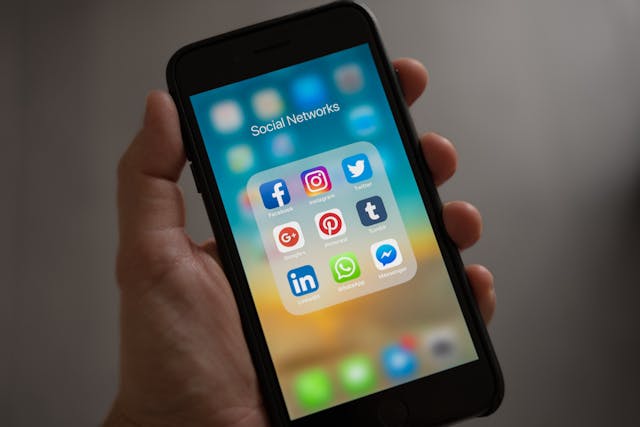

Social media has undergone a remarkable evolution since its inception, transforming the way we connect, communicate, and share information online. From its early days as simple networking platforms to today’s multifaceted digital ecosystems, social media continues to evolve and adapt to changing user behaviors, technological advancements, and cultural trends. Let’s explore the current trends shaping the evolution of social media and influencing how we interact with these platforms:
Video Content Dominance: Video content has emerged as the dominant form of media on social platforms, with the rise of short-form videos, live streaming, and video stories. Platforms like TikTok, Instagram Reels, YouTube Shorts, and Facebook Live have revolutionized the way users consume and engage with content, emphasizing visual storytelling, authenticity, and real-time interaction.
Ephemeral Content: Ephemeral content, or content that disappears after a certain period, has gained popularity on platforms like Snapchat, Instagram, and Facebook. Features such as Stories, Fleets, and disappearing messages provide users with a more spontaneous and authentic way to share moments, updates, and behind-the-scenes glimpses into their lives, fostering a sense of immediacy and FOMO (fear of missing out) among users.
Social Commerce: Social media platforms are increasingly integrating e-commerce features to facilitate shopping and transactions directly within the social experience. From Instagram Shopping and Facebook Marketplace to Pinterest Shop and TikTok’s “Shop Now” buttons, social commerce enables users to discover, browse, and purchase products seamlessly without leaving the platform, blurring the lines between social interaction and online shopping.
Community Building and Niche Networks: As social media matures, users are gravitating towards niche communities and interest-based networks that cater to their specific passions and interests. Platforms like Reddit, Discord, and Clubhouse provide spaces for like-minded individuals to connect, share knowledge, and engage in meaningful discussions around topics ranging from hobbies and fandoms to professional interests and niche communities.
Audio-based Social Networking: Audio-based social networking platforms have gained traction as an alternative to traditional text and video-based platforms, offering users a more immersive and conversational experience. Apps like Clubhouse, Twitter Spaces, and Spotify’s Greenroom enable users to participate in live audio conversations, discussions, and virtual events, fostering real-time engagement and community building through voice-based interactions.
Influencer Marketing and Creator Economy: Influencer marketing continues to be a driving force in social media, with brands and marketers collaborating with influencers and content creators to reach and engage target audiences authentically. The creator economy has also emerged as a burgeoning industry, with platforms like Patreon, Substack, and OnlyFans empowering creators to monetize their content and cultivate direct relationships with their audience through subscriptions, memberships, and exclusive content.
Privacy and Digital Well-being: Amid growing concerns about privacy, data security, and digital well-being, social media platforms are implementing features and tools to give users more control over their online experience. From privacy settings and content moderation to time management tools and digital wellness features, platforms are prioritizing user safety and well-being while promoting a more positive and mindful social media experience.
Augmented Reality (AR) and Virtual Reality (VR): Augmented reality (AR) and virtual reality (VR) technologies are increasingly being integrated into social media platforms to enhance user engagement and immersive experiences. Features like Snapchat’s AR filters, Facebook’s Horizon Worlds, and Instagram’s AR effects enable users to create and share interactive, AR-enhanced content, blurring the lines between the physical and digital worlds.
In conclusion, the evolution of social media continues to be shaped by a combination of technological innovation, user behavior, and cultural trends. From the dominance of video content and ephemeral storytelling to the rise of social commerce and audio-based networking, social media platforms are constantly evolving to meet the evolving needs and preferences of users. As social media continues to evolve, it will be fascinating to see how these trends shape the future of online communication, community building, and digital engagement.