
In recent years, robotics has evolved from a niche field to a ubiquitous presence in our everyday lives, revolutionizing industries and enhancing various aspects of our daily routines. From manufacturing and healthcare to household chores and entertainment, robotics technology is rapidly transforming the way we live, work, and interact with the world around us. Let’s explore some of the current applications of robotics in everyday life:
Manufacturing and Automation: Robotics has long been a staple in manufacturing and industrial settings, where robots are used for tasks such as assembly, welding, painting, and quality control. Industrial robots equipped with advanced sensors and machine learning algorithms can perform complex tasks with precision and efficiency, leading to increased productivity and cost savings for manufacturers.
Healthcare and Medical Robotics: Robotics is playing an increasingly important role in healthcare, with applications ranging from robotic surgery and rehabilitation to telepresence and assistive devices for individuals with disabilities. Surgical robots, such as the da Vinci Surgical System, enable surgeons to perform minimally invasive procedures with greater precision and control, reducing recovery times and improving patient outcomes.
Home and Personal Assistants: Personal and domestic robots are becoming more prevalent in homes, offering assistance with tasks such as cleaning, vacuuming, and lawn mowing. Smart home devices equipped with robotic technology, such as robotic vacuum cleaners and lawnmowers, can autonomously navigate and perform household chores, freeing up time for homeowners to focus on other activities.
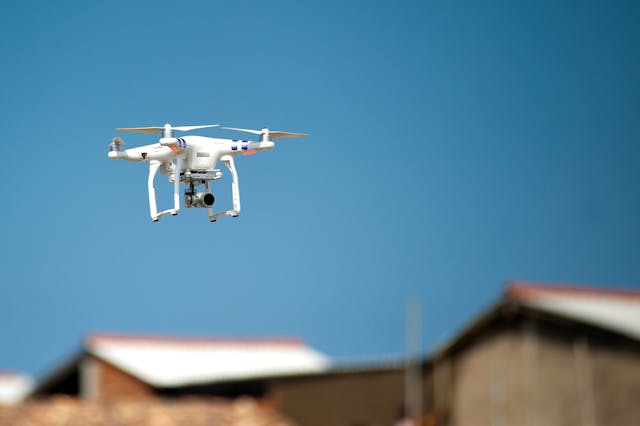
Logistics and Delivery: Robotics is transforming the logistics and delivery industry, with the advent of autonomous delivery robots and drones capable of transporting goods over short distances. Companies like Amazon and FedEx are exploring the use of delivery drones for fast and efficient package delivery, while autonomous mobile robots are being deployed in warehouses to streamline order fulfillment processes.
Education and Entertainment: Robotics is also making inroads in the fields of education and entertainment, with educational robots designed to teach coding, robotics, and STEM concepts to students of all ages. Robots are also being used in entertainment settings, such as theme parks and museums, to provide interactive experiences and entertainment for visitors.
Agriculture and Farming: In agriculture, robots are being deployed for tasks such as planting, harvesting, and crop monitoring, leading to increased efficiency and precision in farming practices. Agricultural robots equipped with sensors and imaging technology can analyze soil conditions, monitor crop health, and optimize irrigation and fertilization, helping farmers improve yields and reduce environmental impact.
Security and Surveillance: Robotics technology is also being used for security and surveillance purposes, with the deployment of autonomous security robots equipped with cameras, sensors, and AI-powered analytics. These robots can patrol and monitor areas such as airports, shopping malls, and office buildings, providing real-time surveillance and threat detection capabilities.
Environmental Monitoring and Exploration: Robotics plays a crucial role in environmental monitoring and exploration, with the use of autonomous underwater vehicles (AUVs), drones, and rovers to collect data and conduct research in remote or hazardous environments. These robots are used for tasks such as oceanographic research, wildlife monitoring, and exploration of extreme environments on Earth and beyond.
In conclusion, robotics technology is becoming increasingly integrated into our everyday lives, offering a wide range of applications across various industries and sectors. From manufacturing and healthcare to home automation and entertainment, robots are transforming the way we live, work, and interact with the world around us. As robotics technology continues to advance, we can expect to see even more innovative applications and opportunities for robotics to enhance our daily lives in the future.